

Most Londoners rent at some point, and many move flats every year or two. Moving out of a rental has its own to-do list: getting your deposit back, leaving the flat in the right condition and sorting the bills. This guide covers what tenants and students need to do, and in what order.
As soon as you know you’re moving
Check your tenancy agreement
Look for:
- your notice period and how notice must be given (often in writing);
- the end date of any fixed term;
- what the agreement says about cleaning and the condition of the flat when you leave;
- whether carpets, curtains or gardens have specific requirements.
If you’re unsure about your rights, Shelter’s website has clear, free guidance for tenants.
Find your check-in inventory
Your check-in inventory and any photos you took when you moved in are your most important evidence at check-out. Find them now and compare them with the flat as it is today.
Check your deposit is protected
In England, if you have an assured shorthold tenancy, your landlord must protect your deposit in a government-approved scheme. Read GOV.UK’s guide to tenancy deposit protection to check which scheme holds yours and how deductions and disputes work.
Four weeks before
- Book your movers and tell them about stairs, lifts and parking at both addresses.
- Check parking. Most London streets are controlled. If the van can’t park close by, a parking suspension may be needed – see our guide to parking suspensions for moving day.
- Ask your building manager about lift bookings and move times if you live in a managed block.
- Start decluttering. Sell or donate what you don’t need. Moving less makes the day quicker and cheaper.
- Arrange repairs. Fix small things you’re responsible for, such as picture-hook holes, if your tenancy allows.
Two weeks before
- Tell your energy, water and broadband providers your moving date.
- Tell your council you’re moving, so your council tax account is closed correctly. Full-time students should check whether they’re exempt – see GOV.UK’s council tax guidance.
- Redirect your post and update your address with your bank, employer, GP and anyone else who writes to you.
- Book your TV Licence move and cancel or move any other subscriptions.
- Start packing. Our packing tips will help you pack quickly and safely.
The week of the move
Clean properly
Clean the flat to the standard it was in when you moved in, as recorded on your inventory. Focus on the areas most often deducted for:
- ovens, hobs and extractor hoods;
- fridges and freezers (defrost and leave the door open if switching off);
- limescale in bathrooms and kitchens;
- carpets and skirting boards;
- inside cupboards and wardrobes.
Some tenancies require professional cleaning – check yours. Remember that landlords can’t charge for normal wear and tear.
Prepare for check-out
- Remove everything that’s yours, including from lofts, sheds and communal storage.
- Take dated photos and videos of every room after cleaning.
- Take final meter readings and photograph the meters.
- Return all keys, fobs and permits, and get confirmation in writing.
Moving day
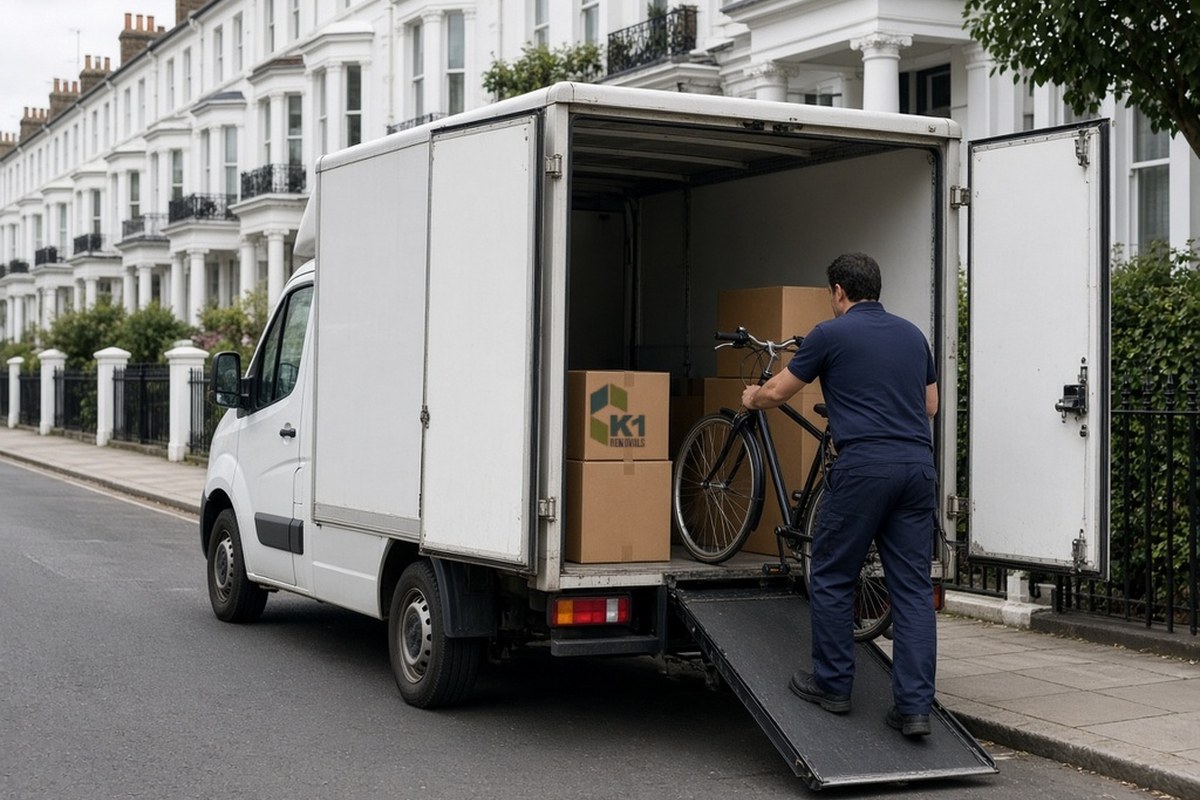
- Keep your passport, tenancy documents, chargers and valuables with you.
- Pack an “open first” box for the first night.
- Check every room, cupboard and the fridge before you leave.
- If the check-out inspection is the same day, be there if you can.
Student moves

Students moving between halls, house shares and summer storage face tight dates. Halls often have fixed move-out times, and new tenancies may not start until weeks later. A few tips:
- Book your move early for the end of term and late summer, as these are the busiest times.
- Use storage to bridge the gap between tenancies.
- Share a van with housemates moving on the same day to split the cost.
Find out more about our student removals.
After you move
Your landlord or agent should tell you about any proposed deductions. If you agree, the deposit should be returned within 10 days of agreeing the amount. If you don’t, use your deposit scheme’s free dispute resolution service and send your inventory and photos as evidence.
Frequently asked questions
How long does my landlord have to return my deposit?
In England, if your deposit is in a government-approved tenancy deposit scheme, your landlord must return it within 10 days of you both agreeing how much you’ll get back. If you disagree about deductions, the scheme’s free dispute service can decide.
Can my landlord charge me for normal wear and tear?
Landlords can deduct for damage beyond fair wear and tear, unpaid rent or missing items, but not for the normal ageing of a property. Your check-in inventory and photos are the key evidence.
Do students pay council tax?
Properties where everyone is a full-time student are usually exempt from council tax, but you may need to apply to the council with proof of your student status. If anyone in the household isn’t a student, the rules are different.
Do I need a big van for a flat move?
Not always. Many one-bedroom flat and student moves fit in a smaller van. Tell us what you’re moving and about any stairs or lifts, and we’ll suggest the right vehicle and crew.
Can you collect from a flat with no parking?
Yes. We’ll advise on a parking suspension where needed, or on the closest place to load.
Moving flats with K1 Removals
K1 Removals moves flats of every size across London, from studios and student rooms to large mansion flats. We handle stairs, lifts and tricky parking every day. Find out more about our flat removals and packing services.
Moving out soon? Get a free quote or call 0330 103 0041.