

Dubai remains one of the most popular destinations for people relocating from London, whether for a new job, a business or a fresh start in the sun. Moving there is straightforward when it is well planned. Most problems come from paperwork timing and from shipping things that would have been better left behind.
This guide covers the practical side of a UK–Dubai move. It is general information, so always confirm visa and customs rules with official UAE sources and your employer before you book.
Start with your visa and residence
Your visa route shapes your timeline. Most people move on an employment residence visa sponsored by their employer, which typically involves a medical test and Emirates ID registration after arrival. Other routes exist, including family sponsorship, investor visas and longer-term residence schemes.
Things to clarify with your employer or sponsor:
- when your residence visa will be issued, and whether you will enter on an entry permit first
- whether a relocation allowance or shipping budget is included
- whether you need temporary accommodation before your belongings arrive
Don’t arrange for your goods to arrive before you can legally receive them. Customs clearance normally needs your passport and residence details.
Decide what is worth shipping
Shipping costs depend largely on volume, so editing your belongings is the single biggest lever you control. Think about:
- Climate. Heavy winter clothing and bedding will rarely be used, so consider storing it in the UK instead.
- Property type. Many Dubai apartments and villas come with fitted wardrobes and white goods. Check what is included before shipping appliances.
- Electricals. The UAE uses the same three-pin plug type as the UK, which helps, but check voltage and warranties on anything expensive.
- Sentimental and high-quality items. These are usually worth shipping. Flat-pack basics often aren’t.
If you are on a fixed-term contract, UK storage for the items you won’t need can save you shipping them twice.
Restricted and prohibited items
The UAE has strict customs rules. Before you pack, check the current guidance on:
- Medicines. Some prescription and over-the-counter medicines are controlled. Carry prescriptions and check the UAE Ministry of Health guidance before travelling with or shipping any medication.
- Alcohol and pork products. Personal shipments can face restrictions, so don’t pack them in your household goods.
- Printed material, media and items considered offensive may be inspected or refused.
- Certain electronics, drones and communication equipment may need approval.
When in doubt, leave it out or ask your removals company to check with their customs agent first.
Sea freight or air freight?
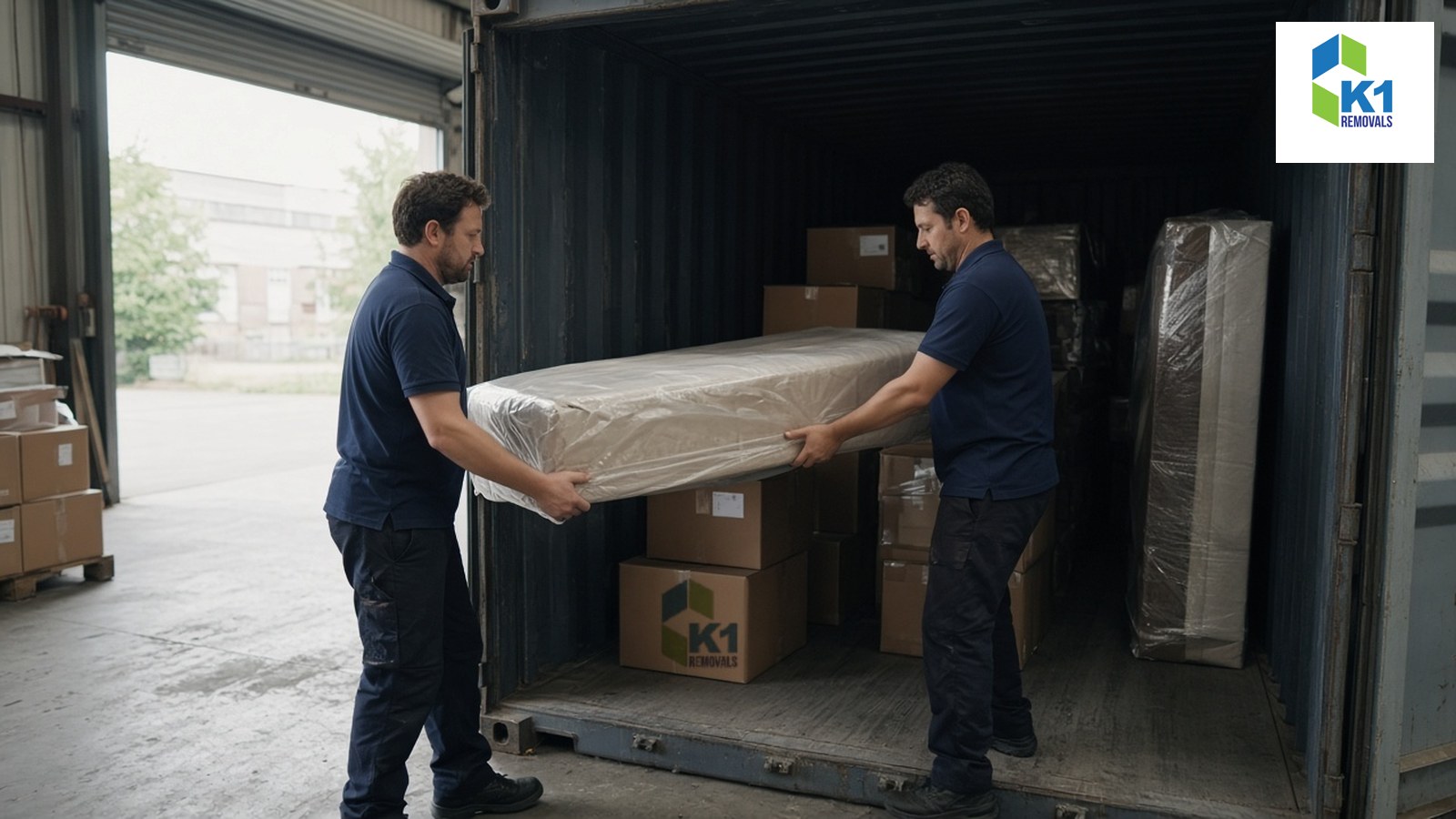
Most household moves to Dubai go by sea freight, either in a shared container or a dedicated container, depending on volume. Air freight is faster and is often used for a small consignment of essentials to tide you over. Many people combine the two: a few boxes by air, the rest by sea.
Ask your remover to explain the options and transit times for your volume. Then plan your temporary accommodation around realistic arrival dates, not best-case ones.
Packing for a long-distance move
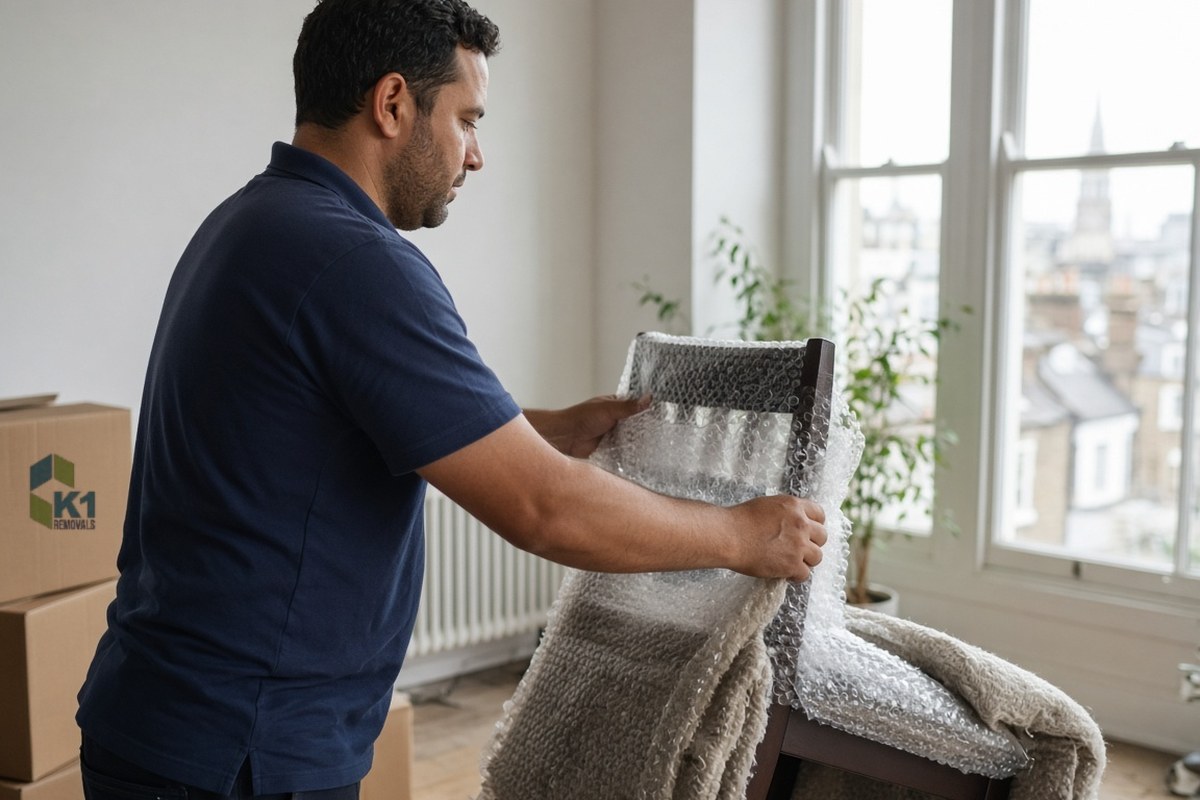
Goods heading overseas face more handling than a local move, so packing standards matter:
- use strong double-walled boxes and plenty of padding
- wrap furniture and protect corners
- crate or specially pack fragile and high-value items
- make sure every box is numbered and listed on a detailed inventory, which customs will expect
Our packing service is designed for exactly this, and our international removals team prepares the inventory as we go. Read more about the route on our London to Dubai removals page.
Your UK checklist
Before you leave London:
- tell HMRC you are leaving and check your tax position (consider form P85)
- review pensions, ISAs and bank accounts, and tell providers your new address
- cancel or transfer utilities, council tax, broadband and your TV licence
- arrange Royal Mail redirection to a trusted UK address
- get copies of medical and dental records, plus prescriptions
- check your driving licence situation for the UAE
- book parking for collection day if you live on a controlled London street
Arriving in Dubai

When you land, the priorities are usually your medical test, Emirates ID, a local SIM and a bank account. Once your goods clear customs, delivery is arranged to your new address. Check items against the inventory and note any issues on the paperwork before signing.
Frequently asked questions
Do I need a job before moving to Dubai?
Most people move on an employment-sponsored residence visa, but there are other routes, such as investor, family-sponsored and certain long-term visas. Check the official UAE government portals and your employer’s guidance for the current options.
Are there items I can’t bring into the UAE?
Yes. The UAE restricts or prohibits certain items, including some medicines, materials considered offensive, and specific goods that need permits. Rules can change, so check UAE customs guidance and declare anything you are unsure about.
Should I ship furniture or buy new in Dubai?
It depends on what you own, the type of home you are moving into and how long you plan to stay. Many people ship sentimental or high-quality items and buy larger basics locally. A survey helps you compare the two options properly.
Can you store my things in the UK while I’m in Dubai?
Yes. Many clients keep some belongings in UK storage, especially on fixed-term contracts, and send for items later.
How K1 Removals can help
Every international move starts on a London doorstep. We handle the UK end: packing, inventory, storage, and collection from flats, houses and offices across the capital, so your belongings leave properly prepared.
Planning a move to Dubai? Contact us for a free, no-obligation quote or call 0330 103 0041.