

Shipping furniture to Australia from the UK usually means sea freight, in either a shared container or one of your own, and it can take around two to three months from collection to delivery. Everything must be clean, listed on a packing list and declared on form B534. This guide explains what to expect, what is worth shipping and how to avoid a costly surprise on arrival.
K1 Removals is a London removal company, and we move households from across London and the UK to Australia and other countries. The rules below come from the Australian Government’s own pages, but they change, so check the official guidance before you pack.
How furniture gets to Australia
Most people send furniture by sea, because the journey is long and furniture is bulky. Air freight is quicker, but it only makes sense for a small amount. You have three main choices.
- Shared container: your goods travel with other customers’ goods going the same way. This suits a few pieces of furniture or a small home. Departure depends on the container filling up, so dates are less fixed.
- Your own container: a container for your belongings only. This suits a whole house and gives you more control over timing.
- Air freight: a small consignment of things you need soon after you land. Many people send essentials by air and let the furniture follow by sea.
Your surveyor will work out the volume of your furniture and boxes, and that decides which option fits. A survey can be done in person or by video. Our removals to Australia page explains how we plan the route.
How long does shipping furniture to Australia take?
Allow two to three months. UK movers commonly quote around eight to 12 weeks for a full container, and a shared container can take longer because it has to fill before it sails. These are general figures from the industry, not a promise. The time at sea is only one part of it, as you also need to allow for:
- packing and collection in the UK
- waiting for a sailing, or for a shared container to fill
- customs and biosecurity clearance in Australia
- any inspection or treatment that is needed
- delivery from the port to your new home
Plan to live without your furniture for a while. Book temporary accommodation with that in mind, and ask for a realistic estimate when you get your quote.
What is worth shipping?
Shipping is charged mainly on volume, so a large, cheap wardrobe costs as much to send as a good one. Before you decide, ask three questions about each piece.
- Could I buy it there for less than it costs to send? Flat-pack furniture rarely passes this test.
- Will it fit? Measure if you have the floor plan. Australian homes vary, so a Victorian wardrobe that suits a London flat may not suit a new apartment.
- Will it pass biosecurity? Outdoor furniture and anything with cane, wicker or bamboo needs extra care (see below).
Family pieces and good solid furniture are usually the things people are glad they sent. If you are unsure, storage in the UK keeps your options open until you have settled. Our moving abroad checklist covers the rest of what to sort before you leave.
Check your electricals too. Australia uses a different plug, so UK lamps and appliances will need new plugs or adaptors, and some may not be worth taking.
Biosecurity: the part that catches people out
Australia checks imported household goods closely. The Department of Agriculture, Fisheries and Forestry says items of potential biosecurity risk will need an inspection, which is charged for. If a problem is found, the goods may be treated, sent back or destroyed at your expense. That makes the cleaning you do in the UK worth the effort.
Wooden furniture
Solid wood is allowed, but it needs checking. Look for small holes or frass, the fine dust left by wood-boring insects. The department says that if live timber pests are found on arrival, the furniture will need treatment at your expense. If a piece has fresh holes or dust, deal with it before it is packed. Don’t use straw, sawdust, wood shavings or other plant material as filler.
Cane, wicker and bamboo
The same check applies to cane, wicker and bamboo. These materials give pests plenty of places to hide, so look closely at joints and underneath. If an item is old or hard to inspect, it may not be worth the risk.
Outdoor furniture and garden items
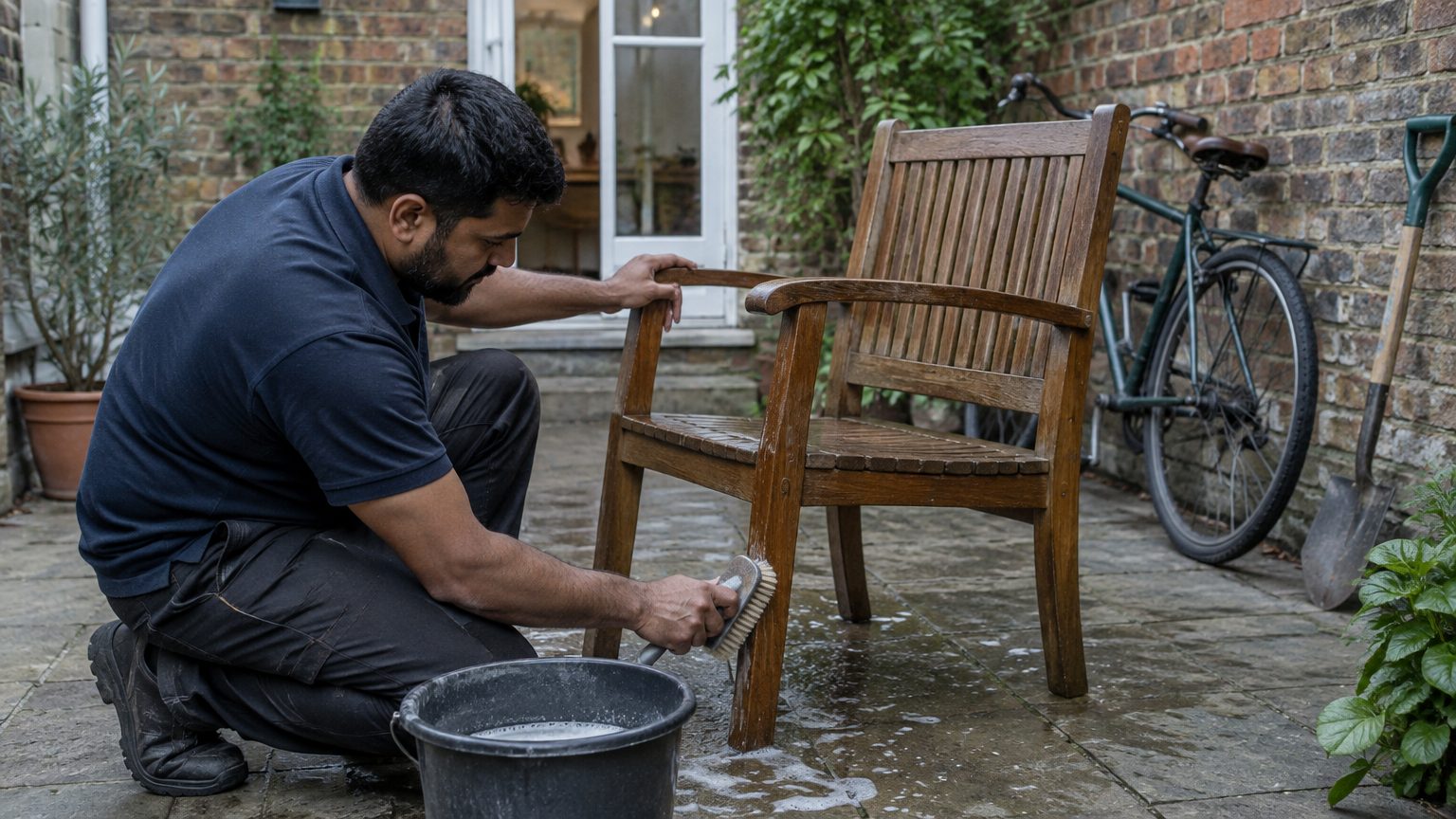
Garden furniture is the classic problem. Scrub it clean of soil, grass, seeds and insects, and let it dry fully before packing. The same goes for garden tools, ornaments and lawn mowers. Bikes and footwear also need to be clean and dry, including the tyres and soles.
Inside the home
Vacuum carpets and rugs. Empty and clean your vacuum cleaner. Don’t reuse fruit and vegetable cartons, meat boxes or egg cartons as packing. Good export packing uses clean new materials, which removes that risk.
The department also runs seasonal measures for brown marmorated stink bug on some goods. Ask your removal company whether these apply to your shipment and sailing date.
The paperwork for shipping to Australia
Goods that arrive separately from you are unaccompanied personal effects, and they need their own paperwork. The official guidance lists the following:
- a completed Unaccompanied Personal Effects Statement (form B534), which includes your passport number
- a packing list
- the bill of lading, or air waybill for air freight
- a delivery order
- a statutory declaration if one is needed
- any offshore treatment certificates
Be accurate on form B534. It asks directly about food, animal items and plant items, and it states that any goods you have owned for less than 12 months must be declared and will be assessed for duty and taxes. That matters if you buy new furniture just before you leave.
The packing list needs to show what is in each box, including the materials, so “wooden chair” rather than “furniture”. A clear list made while packing saves trouble later. It is one reason many people have their home packed professionally.
What you can’t send
The department lists fresh fruit and vegetables, live plants, bulbs and cuttings, and soiled goods among the items you can’t import. Soil itself is a risk item, so plant pots and garden ornaments need to be spotless. Form B534 also asks about restricted goods such as weapons, medicines, tobacco, alcohol and wildlife articles.
A removal company has its own limits too. We can’t carry hazardous materials such as paint, fuel or gas bottles. If you have a barbecue gas bottle, leave it behind and buy a new one in Australia.
Preparing furniture for the journey
A long sea journey is harder on furniture than a trip across London. Good preparation makes the difference.
- Dismantle what can be dismantled, and bag and label the fixings.
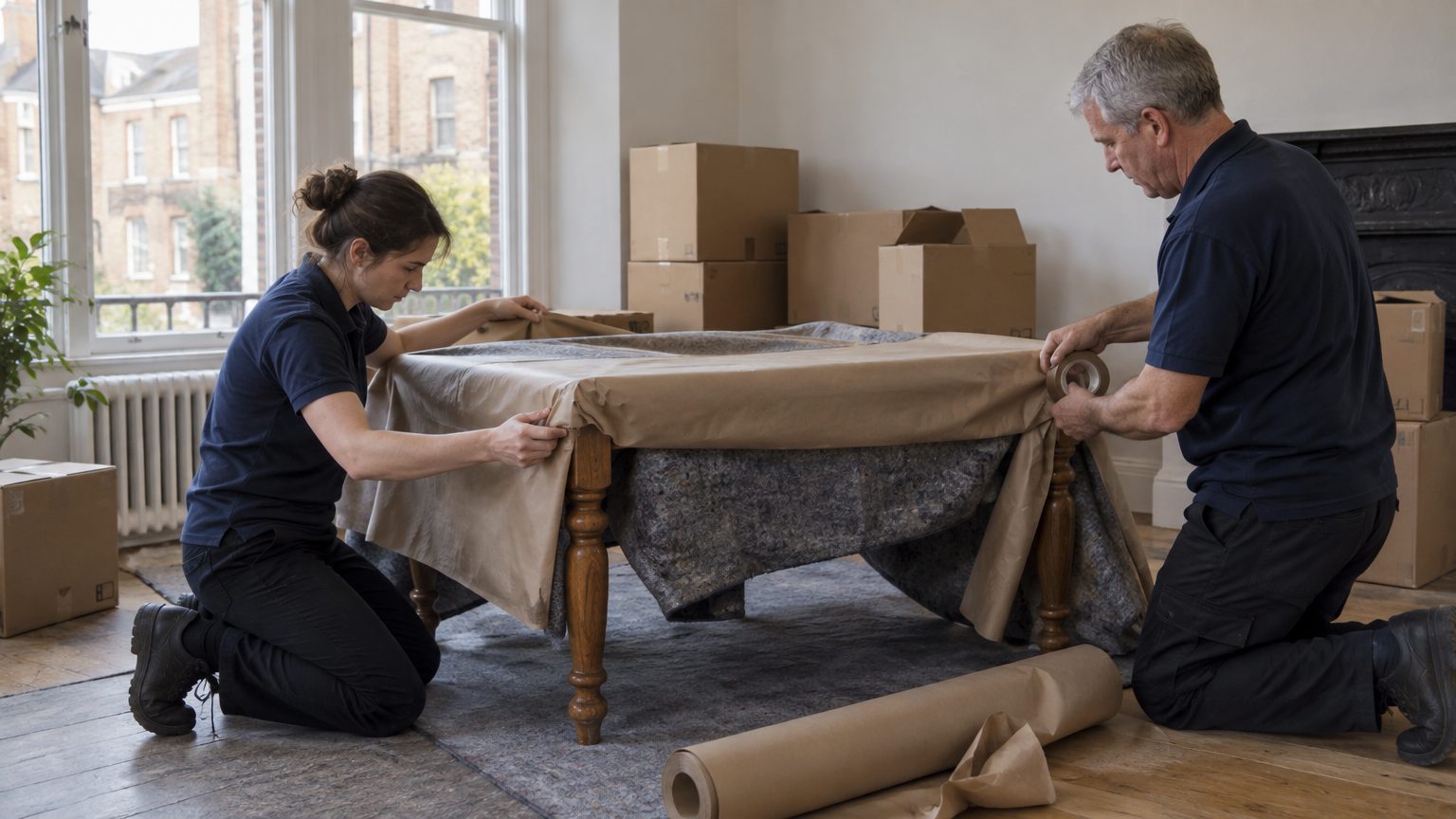
- Wrap each piece in blankets and paper or card, with the corners protected.
- Empty drawers and wardrobes, so nothing shifts inside them.
- Load heavy items low and strap everything so it can’t move in the container.
Our crews can pack your whole home or just the furniture and fragile items, and we can dismantle and rebuild furniture. On collection day, London access matters as much as the long journey. A bigger vehicle may need a parking suspension, and we will flag that at the survey.
A simple timeline
- Three to six months before you go: book a survey and decide what is going.
- Two months before: check wood, wicker and outdoor items, and clean them.
- One month before: confirm your dates, parking and storage.
- Collection day: your goods are packed, listed and loaded. Keep your passport and visa papers with you.
- While your goods are at sea: complete form B534 and send your documents to the agent handling your shipment.
- Delivery: check everything against your packing list before you sign.
For the wider move, read our step-by-step guide to moving to Australia from London.
Shipping furniture to Australia: FAQs
How long does it take to ship furniture from the UK to Australia?
Allow around two to three months from collection to delivery. A shared container can take longer than your own container, because it has to fill before it sails. Clearance in Australia adds to the time.
Can I ship wooden furniture to Australia?
Yes, but it must be clean and free of pests. Check for small holes and fine dust. If live timber pests are found on arrival, the furniture will need treatment at your expense.
Do I have to pay duty on furniture shipped to Australia?
Form B534 says goods you have owned for less than 12 months must be declared and will be assessed for duty and taxes. Check how this applies to you before you ship anything new.
Is it better to ship furniture or buy new in Australia?
It depends on the piece. Good solid furniture and family items are often worth sending. Cheap or flat-pack items usually aren’t, because shipping is charged on volume.
Can K1 Removals ship my furniture to Australia?
Yes. We carry out the survey, export packing and collection, and we arrange shipping and delivery through our international partners. We can also store anything you are not ready to send.
Get a free quote
Thinking about shipping your furniture to Australia? Tell us what you want to send and we will arrange a free survey, in person or by video, then send you a clear written quote. Our international removals team covers the whole of London and the UK. Call 0330 103 0041 or use the link below.